
When Nature Changes the Rules
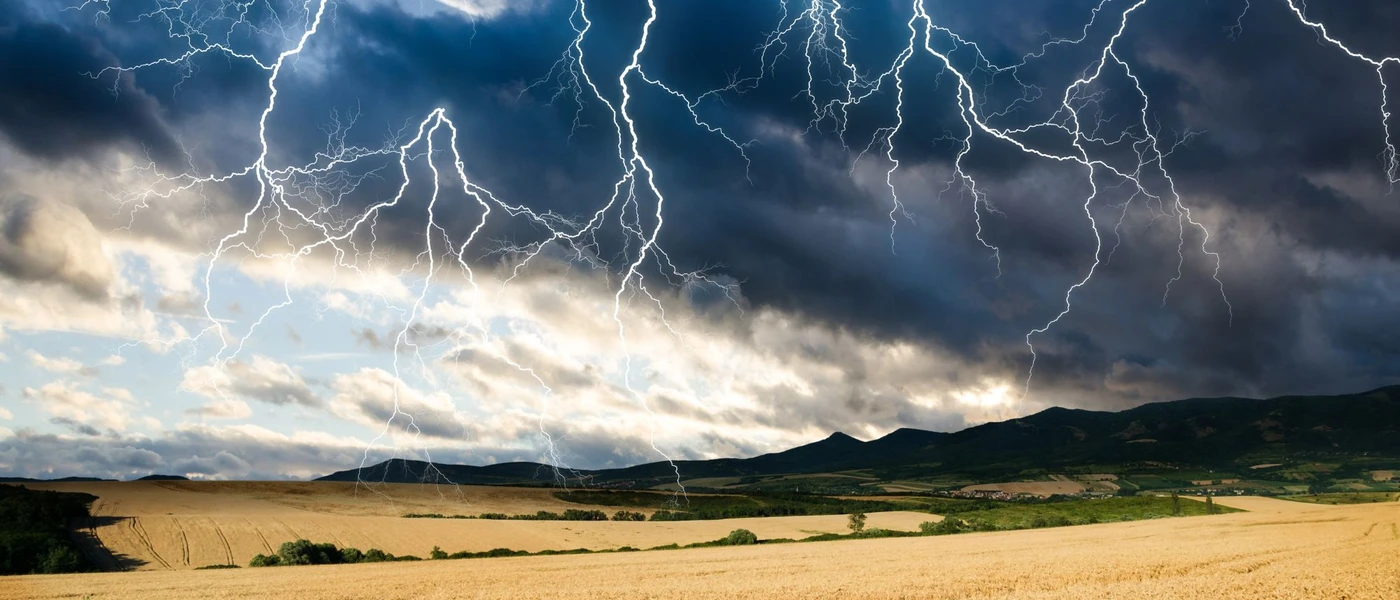
Agriculture is one of the oldest and most beautiful fields of human activity, yet also one of the most risky. The connection between people and nature brings not only the joy of a successful harvest but also exposure to unpredictable weather and natural disasters that cannot be fully controlled or foreseen. Each year brings new challenges—extreme weather fluctuations, unexpected outbreaks of animal or plant diseases, and technological changes that can quickly disrupt established practices.
The year 2024 will be remembered in the history of Czech agriculture as a period of extraordinary challenges. Unprecedented hailstorms caused damage amounting to a record CZK 900 million, floods resulted in losses exceeding CZK 2 billion, and prolonged drought negatively affected the harvest of cereals, rapeseed, and corn worth more than CZK 1.5 billion.
Animal production also faced serious problems. African swine fever forced farmers to cull 10,000 pigs, causing losses exceeding CZK 1.5 billion. Avian influenza, which has become an almost annual threat, resulted in losses of more than CZK 100 million. Under such conditions, traditional approaches to risk management are no longer sufficient.
Climate change is also bringing entirely new risks: shifts in vegetation cycles, the spread of pests into areas where they previously did not occur, and more frequent alternation between extreme drought and torrential rainfall. Farmers therefore find themselves in a situation where they must reconsider their approach to protecting both crops and their entire operations.
How a Modern Approach Is Changing the Game
The year 2025 is bringing not only climate challenges but also revolutionary technological innovations. Artificial intelligence helps farmers optimize planning, monitor crop and livestock health, and respond to risks more quickly. Satellite imagery and sensors enable the precise application of fertilizers and pesticides, minimizing environmental impact and contributing to more sustainable farming.
Modern technology is also transforming the insurance sector. Drones and satellite imagery are accelerating claims assessment and ensuring fairer compensation. Data from meteorological models and historical events helps predict future risks more accurately and enables insurance products to be tailored to the specific needs of agricultural businesses.
Changes in Agricultural Insurance
The insurance market for agriculture has developed significantly in recent years. Standard products are often no longer sufficient to cover the specific needs of modern farming operations. Instead of universal solutions, a more individualized approach is gaining ground—one that reflects the unique conditions and risks of each farm.
The Most Common Mistakes
Many farmers still repeat the same mistakes when arranging insurance, which can lead to reduced or even rejected compensation in the event of a loss.
Underinsurance is one of the most common problems. Many businesses underestimate the value of their assets or expected yields to save on premiums. In the event of a loss, the payout is reduced in the same proportion. For example, if a farmer suffers damage of CZK 10 million but is underinsured by 50%, they will receive only CZK 5 million in compensation.
Insufficient risk coverage is another common issue. Insurance policies often fail to include all relevant risks or contain significant exclusions. For instance, standard crop insurance may not cover drought unless that risk is specifically included in the policy.
Inappropriate deductibles can significantly affect the effectiveness of insurance. A deductible that is too high may mean that smaller but frequent losses are not covered at all. On the other hand, a very low deductible increases the premium, which may not always be economically efficient.
Outdated insurance policies often fail to reflect changes in the business, such as new investments, expanded operations, or the purchase of more expensive equipment. An agricultural enterprise is a dynamic organism, and its insurance should evolve accordingly.
Ensuring tailored insurance protection is therefore essential. Some contracts may include exclusions that prevent compensation for certain types of damage. For this reason, insurance terms should always be reviewed with specialists and optimized according to the real needs of the business.
Valuable Guides in a Complex World
In agricultural insurance, the importance of qualified insurance brokers is becoming increasingly evident. While farmers are experts in agriculture, brokers specialize in navigating the complex world of insurance products and risks. Their role goes far beyond simply arranging insurance.
An experienced broker can identify the unique risks of each agricultural enterprise—taking into account geographical location, cultivated crops, technologies used, and claims history. Based on this analysis, they design an insurance program tailored to the client’s real needs rather than a generic template.
Cost Optimization
As independent experts, brokers compare offers from different insurers not only in terms of price but also in terms of coverage scope, exclusions, and claim conditions. Thanks to their negotiating position and market knowledge, they can often secure better conditions than a farmer could obtain through direct negotiations with insurers. By setting optimal deductibles and combining suitable insurance products, brokers help balance insurance costs with the quality of protection.
Support During Claims Handling
The true value of a broker becomes evident when a loss occurs. A broker represents the farmer’s interests in negotiations with the insurer, assists with damage documentation, and ensures that compensation is assessed fairly. This allows the farmer to focus on restoring operations while the broker handles administrative and procedural matters. Such support is particularly valuable after large-scale losses, when the situation is both time-sensitive and emotionally demanding.
Save with State Support
Many farmers still do not take advantage of significant financial support offered by the state. The Support and Guarantee Agricultural and Forestry Fund (PGRLF) directly subsidizes agricultural insurance, which can significantly improve the financial sustainability of farming operations. In 2024, PGRLF covered up to 65% of the premium for special crops and 47% for other crops. This means that comprehensive insurance protection may cost only a fraction of its actual price.
The process for obtaining the subsidy is straightforward. By not using this support, farmers are essentially leaving money on the table. With properly structured insurance and state support, farmers gain both top-level protection for their operations and meaningful cost savings that positively impact their budget.
What Comes Next?
In an uncertain world shaped by climate change and economic fluctuations, high-quality insurance has become an essential part of every farmer’s business strategy. It is not an unnecessary cost but a strategic investment in the stability and long-term sustainability of the enterprise.
Working with an experienced insurance broker gives farmers confidence that the business they have built through years of hard work is protected against unpredictable events that could otherwise threaten the results of an entire year—or even the existence of the farm itself. Properly structured insurance allows farmers to focus on what truly matters: efficient farming and the production of high-quality food, knowing that if adverse circumstances arise, they will not face them alone.
Need advice on managing agricultural risks? Contact us—we will be happy to help.