
How Claims Handling Helps Bring a Company Back into Operation
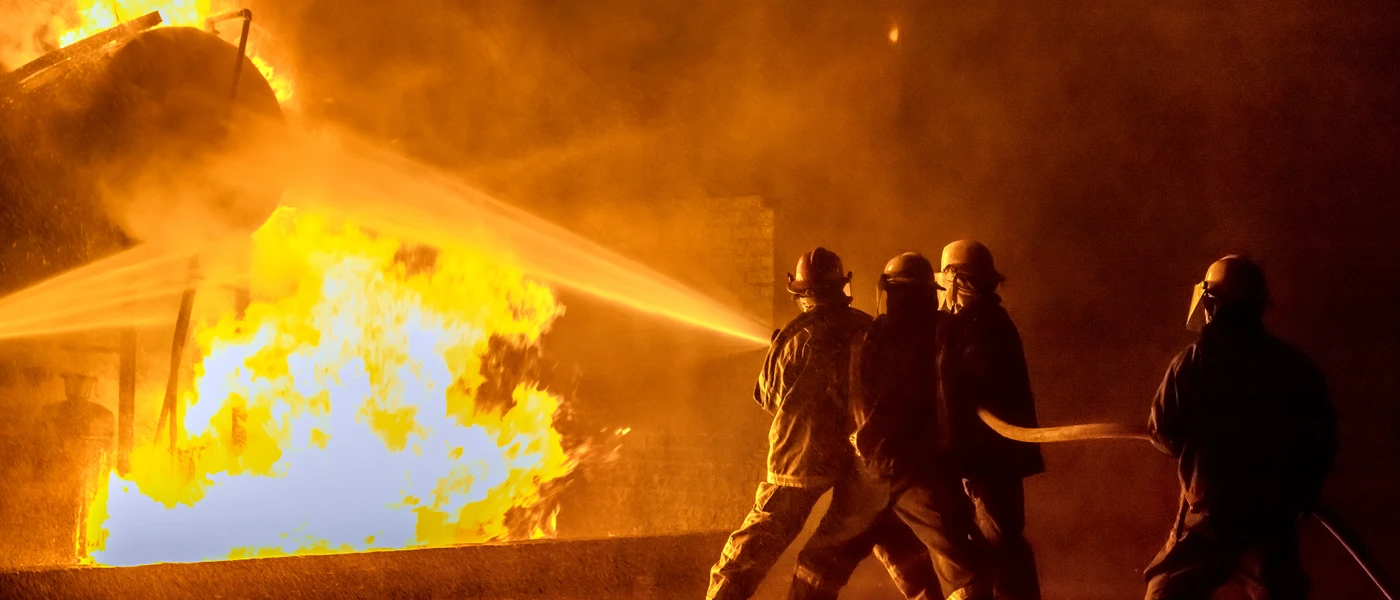
Property damage can have devastating consequences for the operation of any company. Whether caused by fires, explosions, or other large-scale disasters, the correct approach to claims handling and loss adjustment is crucial for a business. This process does not only mean restoring property to its original condition but also minimizing losses and ensuring business continuity.
When a loss occurs, for example as a result of a fire or explosion, one of the first steps is to investigate the cause and extent of the damage. The insured party is required to report the incident to the relevant authorities, particularly the Fire Rescue Service (HZS) and the Police of the Czech Republic. The legal obligation to report fires, whether major or minor, is established by the Fire Protection Act. Failure to comply with these obligations may lead not only to legal consequences but also to a reduction or refusal of insurance compensation by the insurer.
At the same time, it is essential to comply with other technical and legislative requirements—for example, regular inspections of electrical installations and pressure vessels, and maintenance of machinery according to the manufacturer’s instructions. It is equally important that activities are carried out in buildings that are approved for the specific type of operation. This should also be verified when activities are conducted in rented premises. If these rules are violated, insurers may significantly reduce claim payments, in some cases by up to 50%. Operating a business in contradiction with an occupancy permit may even lead to a complete rejection of the insurance claim by some insurers.
Key Steps in Handling Large-Scale Claims
The claims process begins with the formation of an expert team, consisting of key company representatives and external specialists, including an insurance broker. This team is responsible not only for restoring the damaged property but also for establishing processes that minimize the operational impact of the loss. This may include arranging temporary operations or alternative solutions to reduce financial losses.
Another important aspect is choosing a recovery strategy. The insured may decide whether to restore the property to its original condition or adapt it to the company’s current needs and future development. The advantage of this option is the possibility of modernization and technological improvement; however, it is important to note that the insurer will only cover the cost of restoring the property to its original state. If the insured decides not to rebuild the property at all, the insurer will typically pay only the depreciated (actual) value of the damaged assets.
Advantages of Working with an Insurance Broker
Handling claims—especially large and complex ones—can be a highly demanding and time-consuming process that requires specialized expertise and experience. This is where the role of an insurance broker becomes crucial. As a broker, RESPECT offers not only assistance in selecting the most suitable insurance solution but also support throughout the entire claims process.
The broker conducts regular risk inspections, analyzes risks, and provides technical recommendations for risk mitigation. In the event of a claim, the broker works closely with both the insurer and the client, ensuring effective communication and proper documentation of all required materials. This significantly increases the insured party’s chances of receiving full insurance compensation while also accelerating and simplifying the claims process.
Documentation and Insurance Compensation
To obtain compensation for losses caused by fire or explosion, it is necessary to provide comprehensive documentation relating to the cause of the incident (such as photographs, CCTV records, or logs from technological operating systems), the condition of the property before the damage (for example maintenance logs), the extent of the damage (such as service reports for machinery and electronics), and documents related to restoration after the loss (price quotations and invoices for repairs).
In addition, it is necessary to submit the Fire Rescue Service report on the cause of the fire as well as police protocols and official decisions.
During the claims process, cooperation with experts—such as court-appointed experts from various fields—may also be crucial. Here again, the role of the broker is invaluable, as they can arrange cooperation with expert witnesses or specialists from universities and assist the client in preparing the necessary documentation for negotiations with the insurer in the event of complications.
Claims handling is therefore a complex process requiring careful planning, expert cooperation, and precise documentation. An insurance broker plays a key role by helping clients navigate complicated procedures and secure maximum insurance compensation. As an insurance broker, RESPECT provides professional support to ensure that the entire process runs as efficiently and quickly as possible.
How Deficiencies Can Increase the Extent of Damage
Experience shows that failure to comply with basic safety measures can significantly increase the final scale of losses. The following real-life examples demonstrate the importance of preventive protection.
Fire and Explosion of Pressure Cylinders
In one case, pressure cylinders exploded during a fire in a production hall. The lack of appropriate safety measures and improper storage of hazardous materials caused the structure of the hall to collapse, resulting in damages of €16 million.
Insufficient Fire Protection
In another incident, shortcomings in both passive and active fire protection—such as blocked escape routes or missing self-closing fire doors—allowed the fire to spread significantly, increasing damages by up to 50%.
Consequences of Non-Compliance with Regulations
If companies fail to comply with fire safety regulations or other legal requirements related to the cause of the loss, insurers have the right to reduce insurance compensation, sometimes by up to 50% of the total loss.
Compliance with safety measures, regular maintenance, and well-trained employees are therefore key factors in minimizing damage and protecting property. Prevention reduces risks—and if a loss does occur, it helps ensure maximum insurance compensation.
Disasters do not wait for the right moment—be prepared.
We will make sure that neither the incident nor your insurance coverage catches you by surprise. Contact us and secure your peace of mind.