Cyber Risks in Industry: Technical Security Alone Is No Longer Enough to Protect Businesses
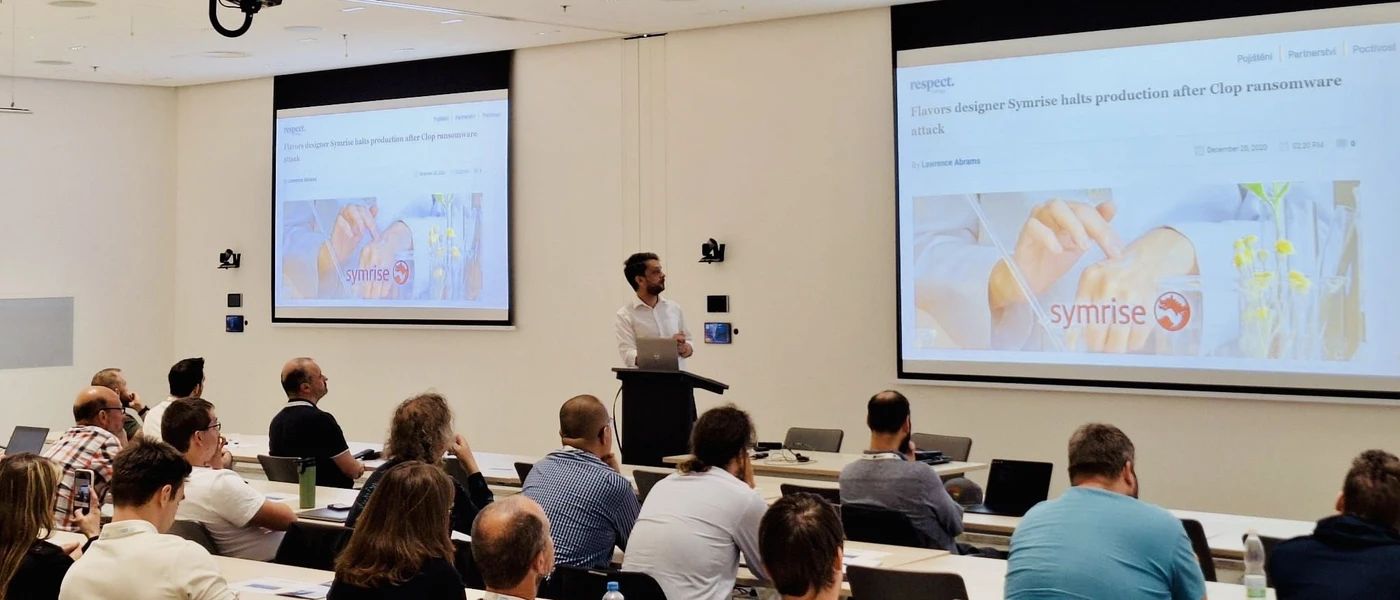
Cybersecurity in industrial manufacturing and the chemical sector is no longer merely an issue for IT departments. Today, it has become a critical matter of operational continuity, process safety, and overall business stability. This was confirmed at a recent expert workshop focused on integrating technical protection, operational safety, and the practical implications of the new NIS2 legislation. The event was organized by the Czech Chemical Industry Association in cooperation with Siemens and ATS Orise.
RESPECT contributed a crucial perspective on financial risk management. Industrial and chemical operations are facing increasingly sophisticated cyberattacks, and any unplanned production outage or disruption of operational technologies (OT/ICS) can result in immediate financial losses amounting to tens of millions of Czech crowns, reputational damage, and potentially serious environmental risks.
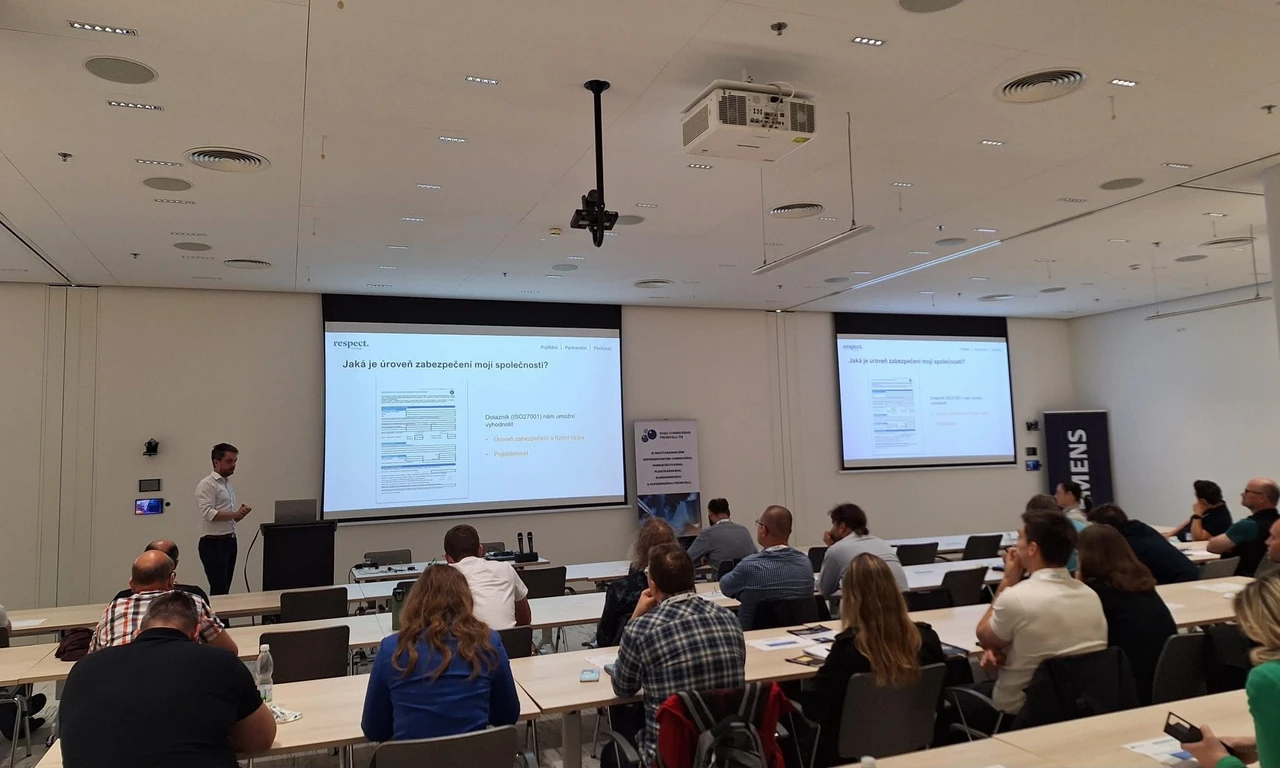
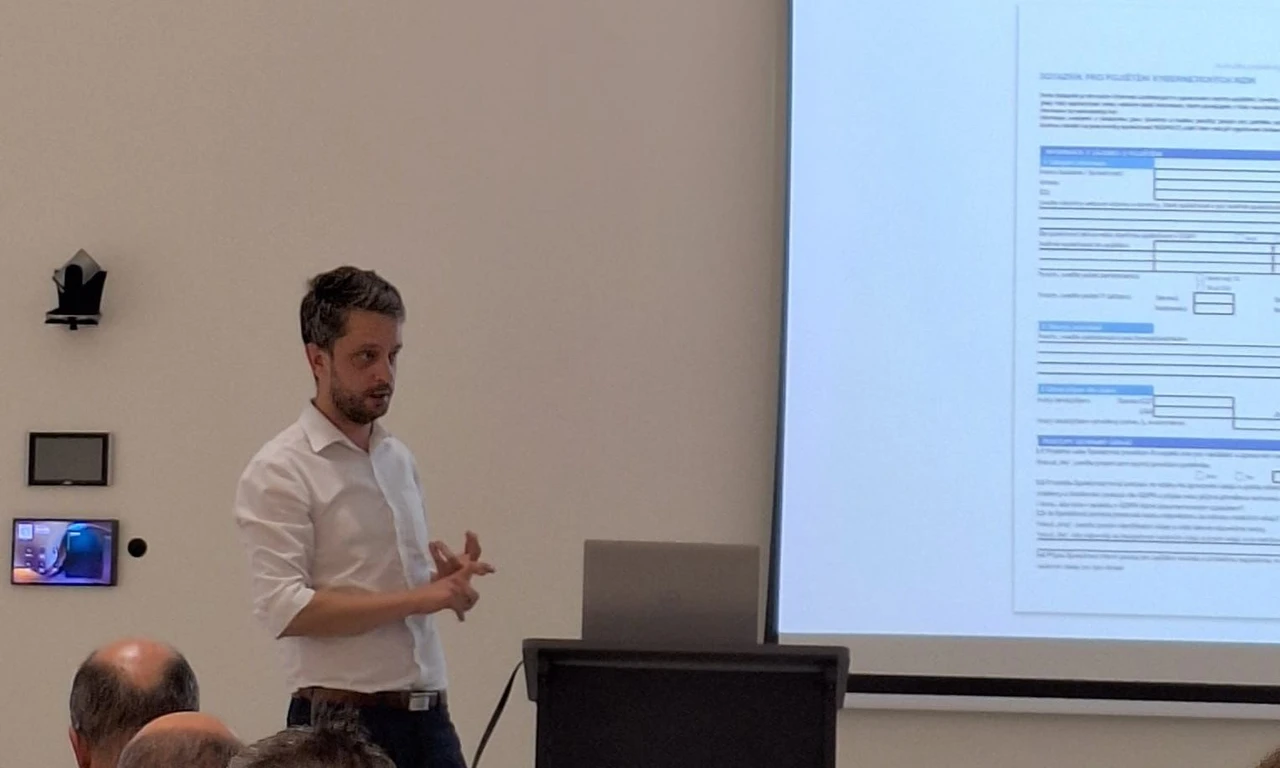
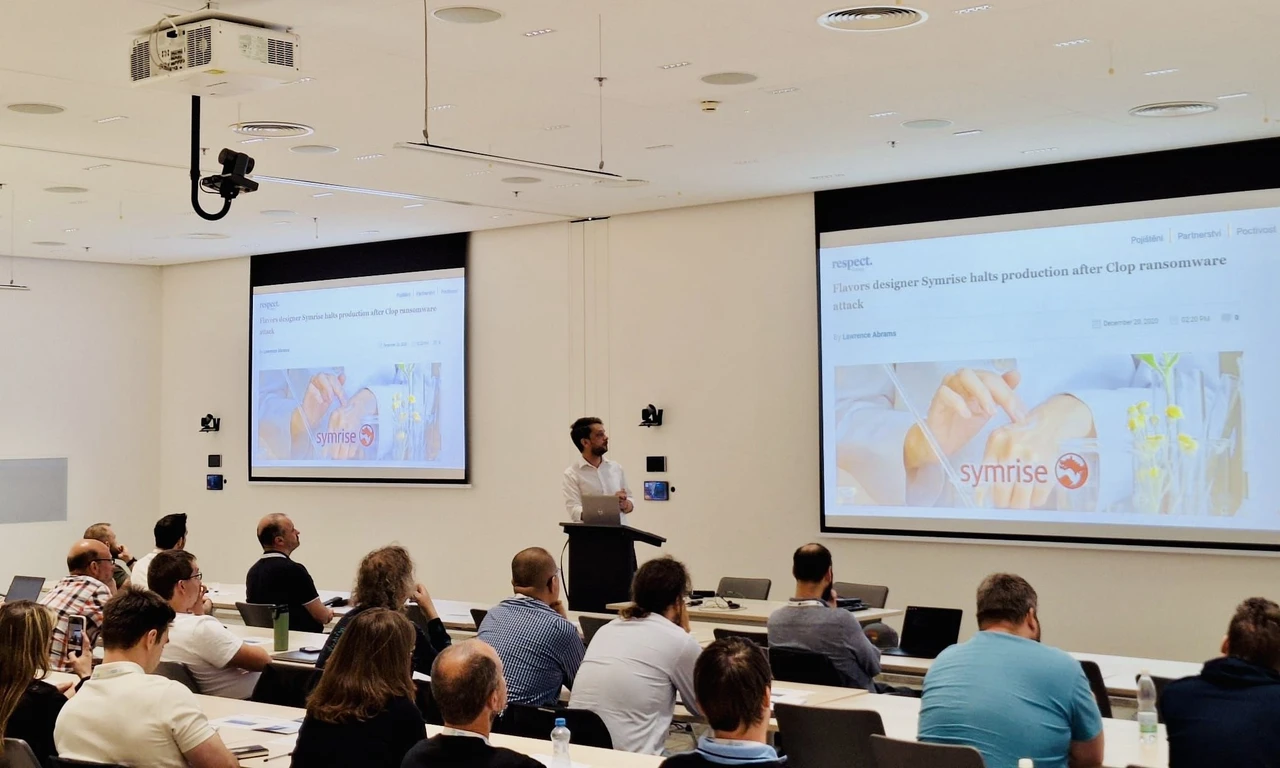
Representing RESPECT, Jiří Technik, Director of Placement & Specialty, was the keynote speaker at the workshop. In his presentation, he focused on how companies can effectively transfer these specific risks to insurers.
A Comprehensive Approach to Industrial Security
Cyber insurance has become an essential pillar of overall corporate security in the industrial sector. In his presentation, Jiří Technik examined in detail the role of insurance coverage when technical safeguards reach their limits.
“Investments in state-of-the-art security measures, advanced firewalls, and continuous monitoring of OT and IT systems are now fundamental requirements for any industrial enterprise. However, we must openly acknowledge that even the best technologies cannot guarantee complete protection. In chemical and other continuous-process industries, where every minute of unplanned downtime can result in losses worth millions, security must be viewed through the lens of comprehensive risk management. Cyber insurance is not a competitor to technical security measures; rather, it is their key partner and the final financial safety net,” explains Jiří Technik.
If the worst happens and technical defenses fail, a properly structured insurance program can help companies manage the enormous costs of system restoration, remediation of damages, legal expenses, and loss of income resulting from business interruption.
“In doing so, we directly protect the company’s financial stability and cash flow,” adds Jiří Technik.
Management Responsibility and NIS2 Legislation
With the introduction of new legislation linked to the European NIS2 Directive, pressure is increasing on company executives and statutory bodies to view cybersecurity as a key management responsibility. While technical measures can help prevent attacks, they cannot eliminate the financial consequences of a successful network breach.
Cyber insurance has therefore become a standard strategic tool that complements technical oversight of SCADA/DCS systems and helps mitigate the economic impact of unplanned downtime on industrial operations.
Is Your Risk Coverage Properly Structured?
Today’s cybercriminals need only a single weak point to disrupt an entire production facility. Restoring systems and returning to normal operations can take weeks or even months. Our role is to ensure that such crisis scenarios are not catastrophic for industrial businesses.
Would you like to be certain that your company is prepared for modern cyber threats and that your existing insurance programs adequately reflect the real risks associated with manufacturing operations?
Get in touch with our cyber risk specialists and request a no-obligation review of your current insurance coverage.
Gallery